
Delaying parenthood until the time is right
Many women choose to freeze their eggs because they’re not ready to have children yet. You may be focusing on pursuing personal or professional goals.

In today’s world, many people prioritise education, travel, or career goals before planning a family. Because fertility naturally decreases with age, freezing eggs earlier can help preserve egg quality and improve the chances of a successful pregnancy in the future.
This proactive step reduces pressure to ‘race against the biological clock’, offers greater peace of mind, allowing individuals the flexibility to decide when the time feels right to start a family – without the stress of age-related fertility decline.
Egg freezing doesn’t guarantee a future pregnancy, but it can create more options later.
Protecting your fertility before cancer treatment
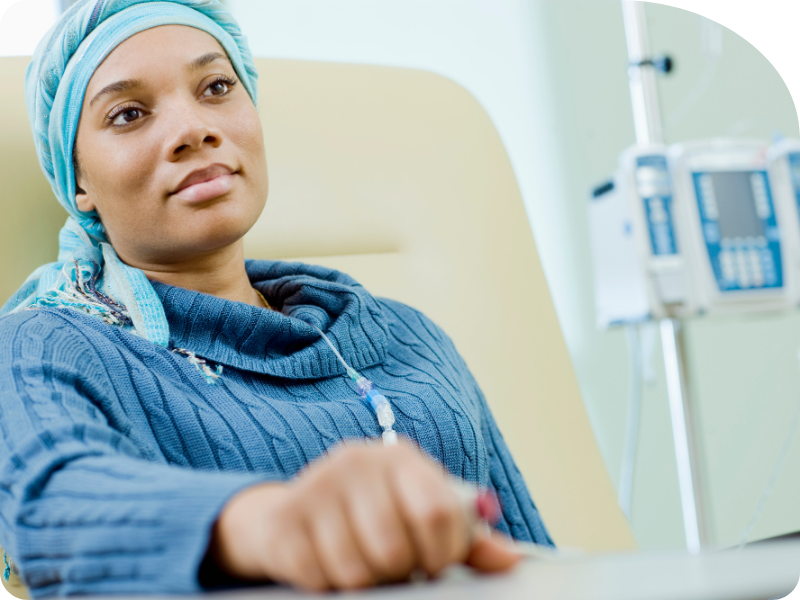
Some medical treatments, such as chemotherapy or radiotherapy, can affect the ovaries and reduce the chance of getting pregnant naturally. If you’ve recently received a cancer diagnosis, egg freezing before treatment starts can help preserve your future fertility.
Certain cancer treatments can decrease the number and quality of eggs, sometimes leading to temporary or permanent infertility, so acting quickly before treatment starts is important.
While egg freezing cannot guarantee a future pregnancy, many patients describe egg freezing as giving a sense of control and hope at a time when so much else feels uncertain. Early referral to a fertility clinic, ideally as soon as cancer is diagnosed, gives the widest range of options before treatment has to begin.
Key points:
- Some cancer treatments can damage the ovaries.
- Freezing your eggs gives you the possibility of having a biological child in the future using your own eggs.
- Early referral to a fertility clinic gives you the widest set of options before cancer therapy begins.
- Many patients find that freezing eggs provides hope and a sense of control during a difficult time.
Egg freezing for women with endometriosis
Endometriosis is a chronic condition in which tissue similar to the womb lining grows outside the uterus, most often within the pelvic area. These tissue deposits can respond to hormones in a similar way to the uterine lining, which may contribute to:
- pain
- inflammation
- heavy periods
- pain during intercourse
- fatigue
- difficulty conceiving
Symptoms similar to those above vary widely between individuals, and some people have no noticeable symptoms.
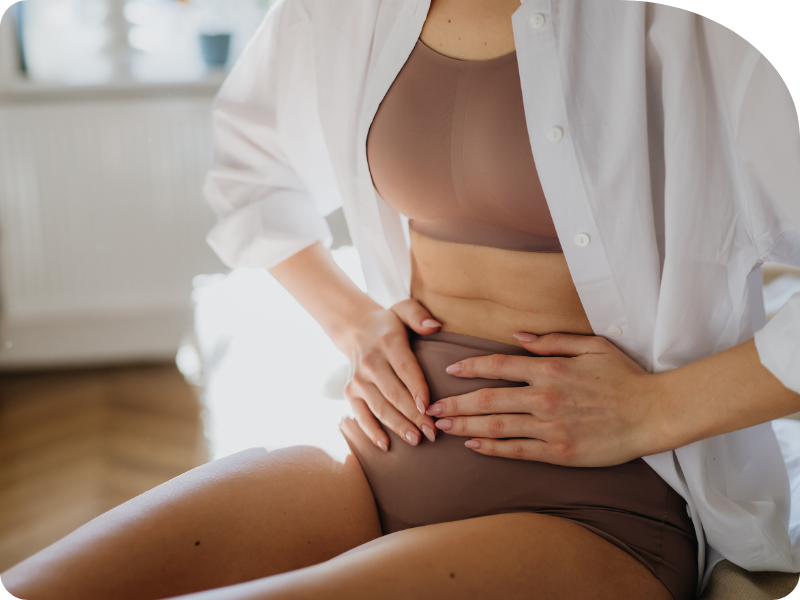
Endometriosis can reduce fertility in several ways such as:
- causing scarring or adhesions around the ovaries and fallopian tubes
- blocking the tubes
- creating inflammation that may interfere with egg quality, fertilisation or implantation
In more severe cases, ovarian endometriomas (cysts) or repeated pelvic surgery can also impact ovarian reserve.
Diagnosis is often delayed, and some women only discover they have endometriosis when they start exploring fertility after years of symptoms.
Why egg freezing can be helpful if you have endometriosis:
- Preserves eggs before the condition progresses
- Protects fertility before surgery or cysts reduce ovarian reserve
- Keeps future options open, including the possibility of surrogacy in severe cases
Egg Freezing for women with PCOS
Polycystic ovary syndrome (PCOS) affects around one in ten women. It is a hormone-related condition that can cause:
- irregular or infrequent periods
- disrupted ovulation
- higher androgen levels (sometimes causing excess hair growth)
- multiple small cyst-like follicles on the ovaries
- anxiety or mood symptoms in some women
The underlying cause of PCOS is not fully understood and is likely to involve a combination of genetic and environmental factors. PCOS can affect fertility because the ovaries may not release an egg regularly, and hormone imbalances can influence both ovulation and egg quality.
Importantly, not everyone with PCOS struggles to conceive, but irregular ovulation can make timing difficult and sometimes affect egg quality.
How egg freezing can help if you have PCOS:
- Preserves eggs while you’re younger, before hormonal disruption or age‑related decline impacts quantity or quality further
- Allows fertility treatment to be scheduled predictably, rather than relying on cycles that may be irregular
Egg freezing for women with fibroids
Fibroids are very common non-cancerous growths of the uterus. Many women with fibroids conceive naturally without difficulty, but in some cases, they can affect fertility.
Some people have no symptoms at all, while others experience:
- heavy or prolonged periods
- pelvic pressure
- pain during intercourse
- back or pelvic discomfort
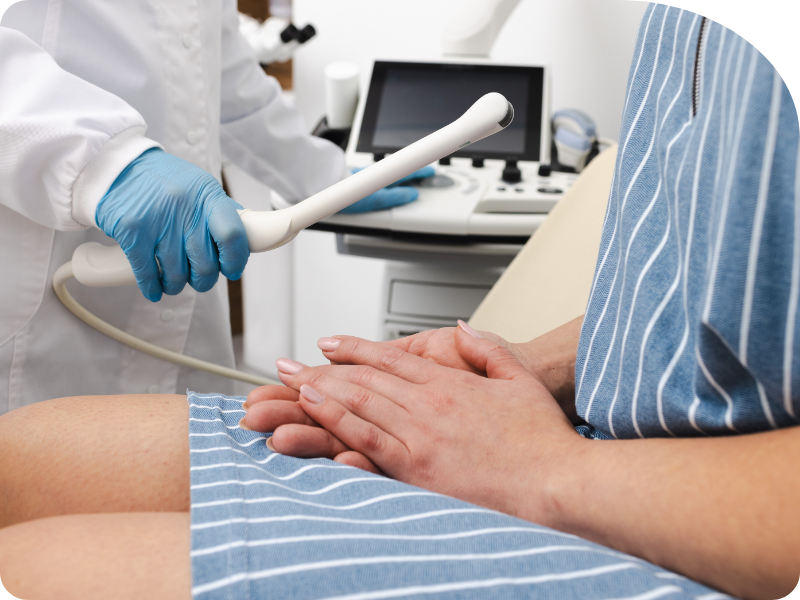
The impact on fertility depends more on where fibroids are located than on their size. Fibroids that distort the uterine cavity or grow within the muscle of the womb (intramural fibroids) may interfere with embryo implantation or increase the risk of miscarriage.
Why egg freezing may be considered with fibroids:
- Some treatments for fibroids, such as embolisation or certain surgeries, can reduce ovarian blood supply or damage the ovaries,
- Fibroids may grow over time, so preserving eggs at a younger age may help safeguard fertility before the uterus or ovaries are more significantly affected.
- Egg freezing can keep options open for future IVF, including the possibility of, if necessary, surrogacy.
Women with very large fibroids may require treatment before egg retrieval is possible.
Want to know more about
egg freezing?
Please email us at ADMIN@ARIAFERTILITY.CO.UK or fill in the contact form below, and one of our Patient Services Team will be in touch. We can answer your questions, walk you through the process, or arrange a consultation with one of our experts.